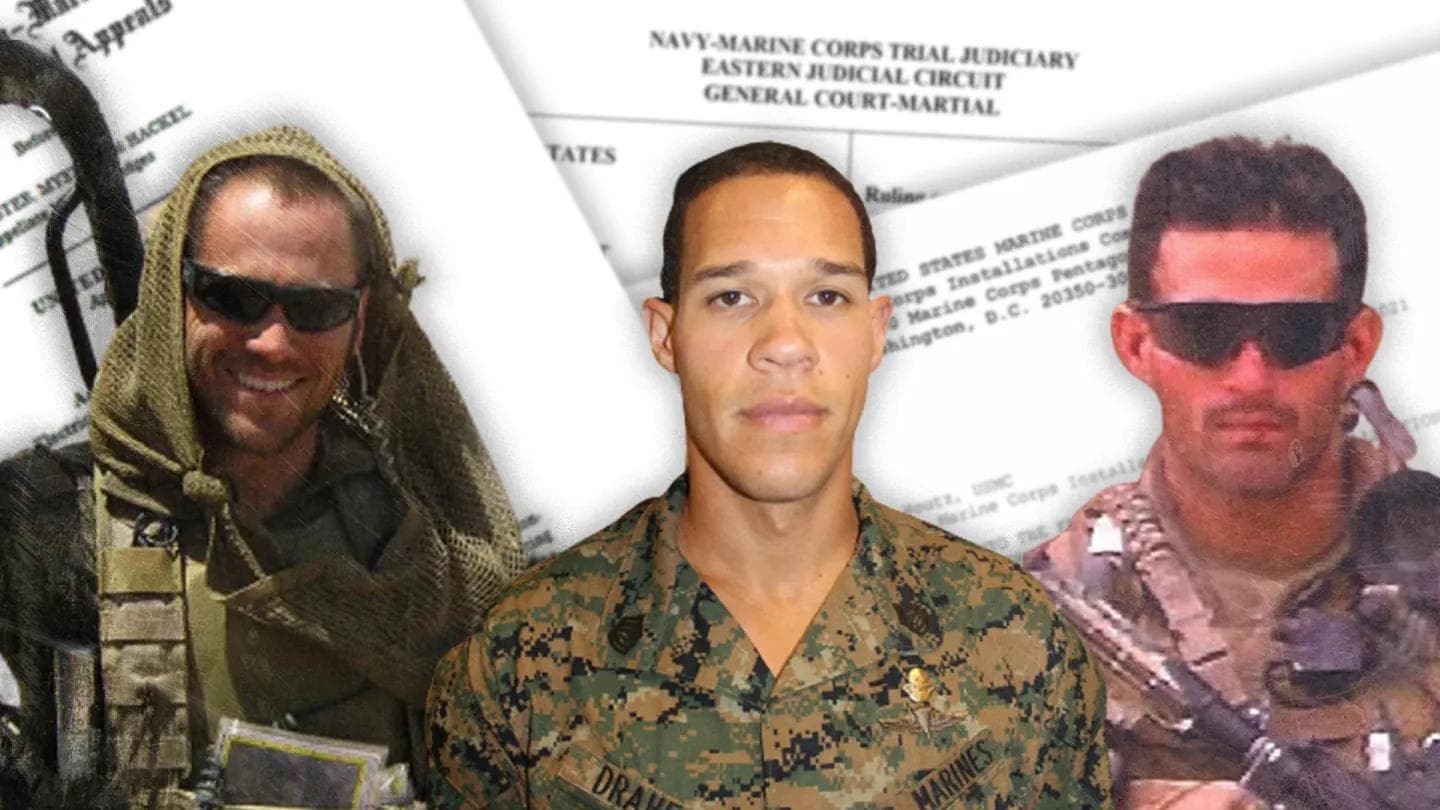
From left to right: Chief Petty Officer Eric Gilmet, Marine Gunnery Sgt. Daniel Draher, and Gunnery Sgt. Joshua Negron, who are collectively referred to by their supporters as the 'MARSOC 3,' face charges in connection with the Jan. 4, 2019 death of former Green Beret Rick Anthony Rodriguez. (Photos courtesy of United American Patriots.
On Jan. 1, 2019, two Marine Raiders and a Navy corpsman got into a physical altercation with Rick Anthony Rodriguez, a former Green Beret who was working in Iraq. After Rodriguez died three days later at a hospital in Germany, all three men were charged with manslaughter, negligent homicide and other offenses. On Jan. 17, the trial for the two Raiders began.
Now, the military judge hearing the case has found Gunnery Sgt. Daniel Draher and Gunnery Sgt. Joshua Negron not guilty of obstruction of justice, said Maj. Matthew Finnerty, a spokesman for U.S. Marine Forces Special Operations Command.
Draher and Negron both still face charges of manslaughter and negligent homicide, said Draher’s attorney, Phillip Stackhouse.
The incident with Rodriguez took place outside of a bar in Erbil, Iraq. Draher and Negon’s defense attorneys have argued that Rodriguez attacked Draher and then Negron then punched Rodriguez once, after which the three men took Rodriguez to his on-base quarters, where a co-worker monitored him.
When Rodriguez started having problems breathing several hours later, Gilmet began treating him, Stackhouse told Task & Purpose in December 2019, and then Rodriguez was taken to the base’s trauma center and ultimately medically evacuated to Landstuhl Germany, where he died.
Attorneys for the two Marines have long argued that Rodriguez instigated the physical altercation.
“I can tell you that Gunnery Sgt. Draher acted in self-defense that night,” Stackhouse said on Friday. “When Gunnery Sgt. Draher acted in self-defense by pushing Mr. Rodriguez; that he was savagely attacked by Mr. Rodriguez, and Gunnery Sgt. Negron came to his aid, to his defense. That is the same thing I told the jury in opening statements, supported by video evidence.”
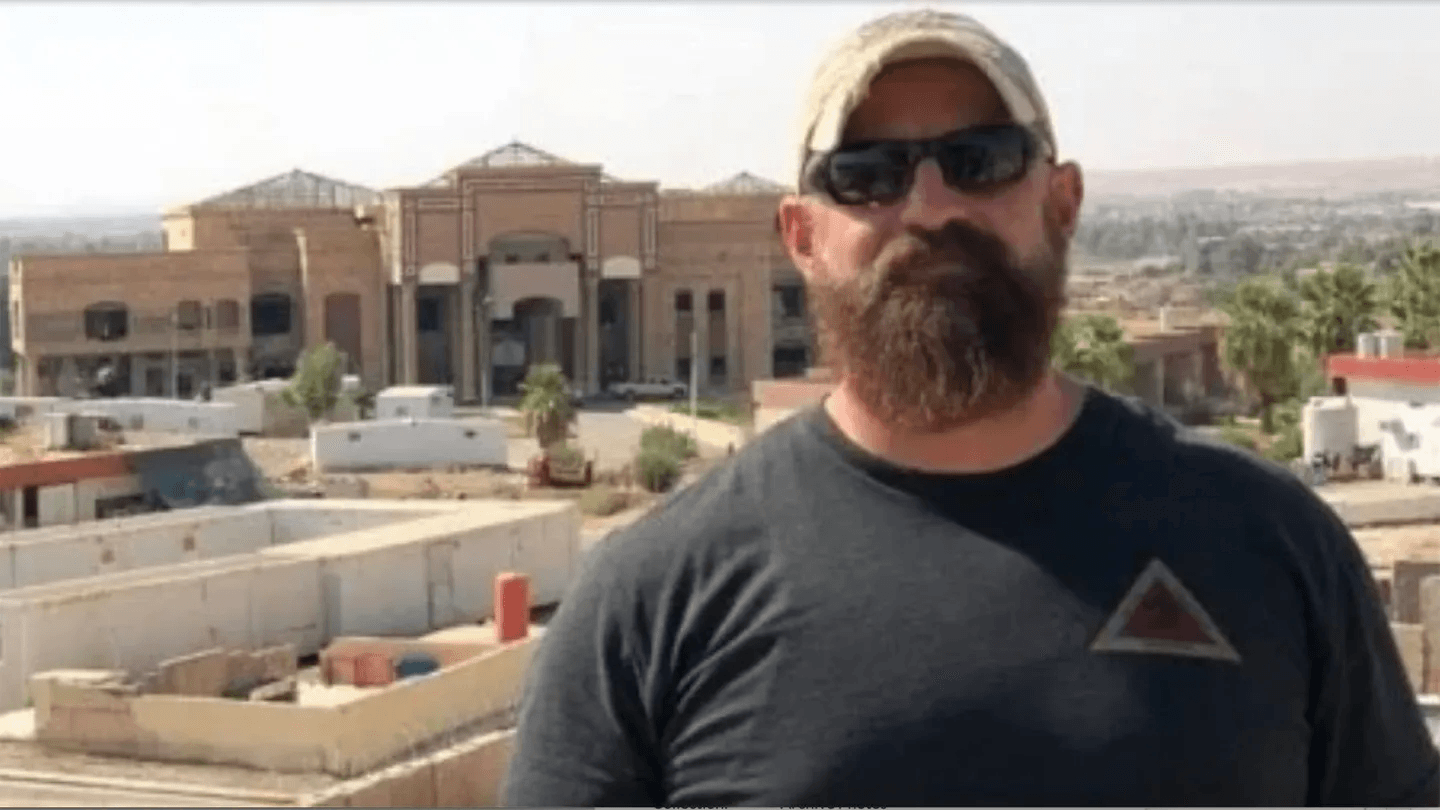
Rick Anthony Rodriguez, a former Green Beret who was working as a contractor for Lockheed Martin, died on Jan. 4, 2019 in Germany. (Facebook)
Chief Petty Officer Eric Gilmet, a Navy corpsman, was also initially charged in connection with Rodriguez’s death. Although a military judge dismissed charges against Gilmet in February 2022, an appeals court reinstated those charges that August. Gilmet’s appeal is pending, and he has been given immunity to testify at Draher and Negron’s trial, said Gilmet’s attorney Colby Vokey.
All three men were assigned to the 3rd Marine Raider Battalion at the time of Rodriguez’s death. Supporters of Draher, Negron, and Gilmet refer to them collectively as the “MARSOC 3.”
Rodriguez had served in the Army from 1991 until 2012, during which he deployed to Afghanistan between 2006 and 2011, according to the Army. He was awarded the Bronze Star Medal with “V” device for valor and four other Bronze stars as well as many other military decorations prior to leaving the service as master sergeant.
On Friday, Stackhouse said that the judge overseeing Draher and Negron’s trial had granted a motion by defense attorneys to find both men not guilty of obstruction of justice after prosecutors rested their case.
Draher and Negron and Gilmet had been charged with obstruction of justice because prosecutors claimed they tried to avoid getting into trouble for drinking, being out after curfew, and getting into a fight with Rodriguez by taking him to his quarters after the fight, Stackhouse said.
“I think what we’re going to hear is they took Mr. Rodriguez back to his housing area so that he could be evaluated to see if he needed to go to a higher level of medical care or not,” Stackhouse said. “Chief Gilmet’s inclination was that he did not need to. He did a neurological exam of him. Chief Gilmet believed that it was safe to keep him there and evaluate him and let him rest.”
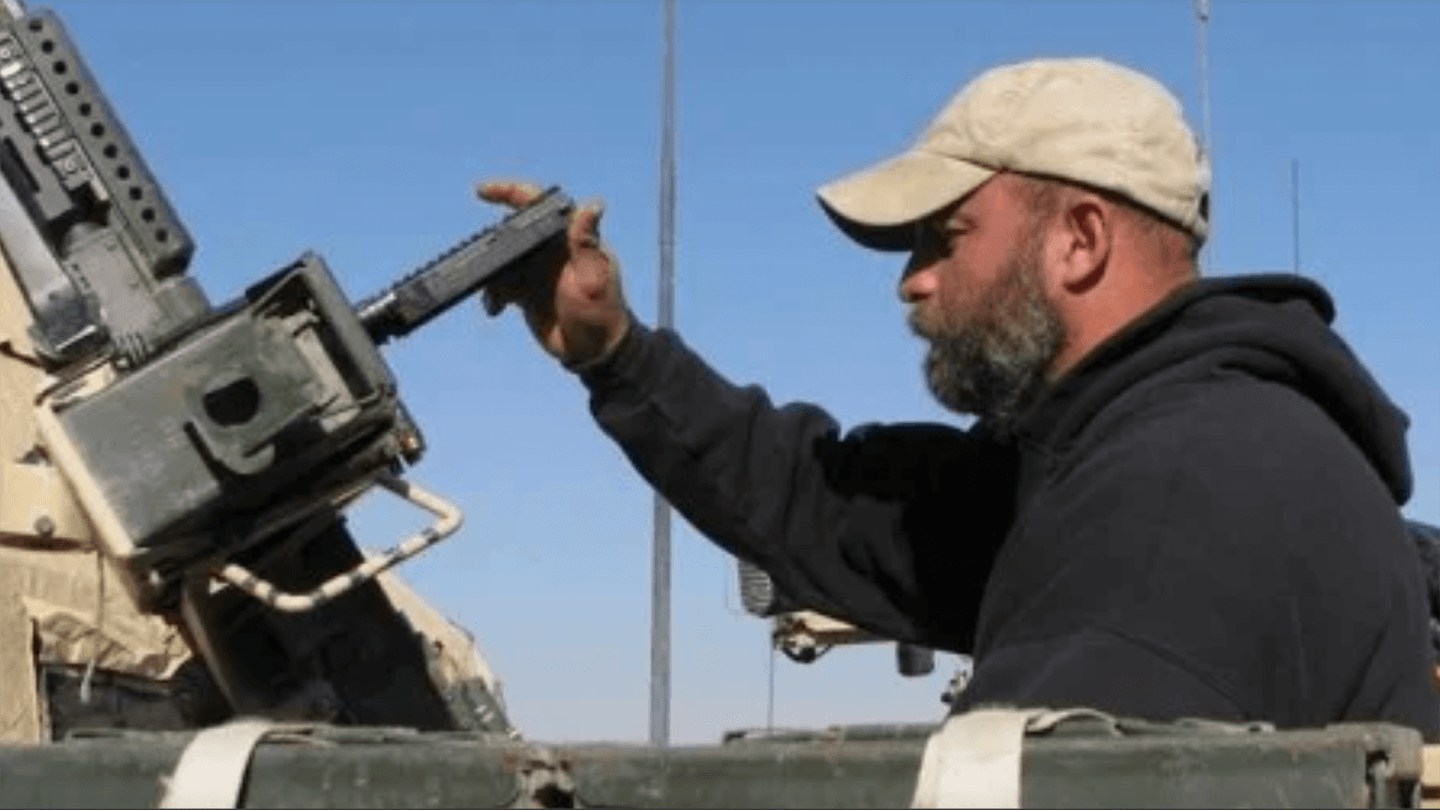
Rick Anthony Rodriguez died on Jan. 4, 2019, after getting into a fight with three special operators in Iraq. (Facebook photo.)
Stackhouse said that he estimated it would take a couple of days for defense attorneys to present their case, which will include calling on Gilmet, a Navy neurosurgeon, a Navy trauma doctor, and a forensic pathologist to testify.
The defense plans to argue that although Rodriguez apparently suffered a fractured skull and bleeding after falling to the ground, those were not the causes of Rodriguez’s death, Stackhouse said.
Instead, defense attorneys will present evidence that Rodriguez died either because he stopped breathing or his heart stopped beating, and the resulting lack of oxygen caused his brain to swell to the point where blood could no longer flow to it, said Stackhouse, who also noted that Rodriguez developed problems breathing hours after the fight.
“I can’t tell you definitely by the evidence that’s been put on today what caused him to stop breathing or his heart to stop beating, but one of those two things is what caused his death,” Stackhouse said.
Jurors could begin deliberating on the Draher and Negron trial next week, Stackhouse said.
Negron’s attorney, Joseph Low IV could not be reached for comment on Friday.
The MARSOC 3 case has gone through numerous twists and turns over the past four years. In November 2021, Col. Christopher Shaw, who was then serving as a deputy director of the Judge Advocate Division, had a meeting at Camp Lejeune, North Carolina, during which Shaw appeared to threaten Capt. Matthew Thomas, who represented Gilmet at the time, attorneys for the MARSOC 3 have argued.
After telling the military attorneys attending the meeting that it was a “legal fiction” to believe they were protected from outside influences, Shaw looked at Thomas and said, “I know who you are and what cases you are on and you are not protected.” Thomas wrote in a statement for a command investigation into Shaw’s actions.
Shaw also submitted a written statement in which he wrote that his intent was not to threaten Thomas, but to explain that military attorneys cannot be protected from political and media scrutiny by their chain of command.
However, military judge Navy Cmdr. Hayes C. Larsen ruled in February that Shaw’s comments to Thomas rose to the level of unlawful command influence — a term in the military’s justice system used to describe any actions commanders take that could be interpreted by subordinates as an order about whether to find an accused service member innocent or guilty.
“The facts in this case can be boiled down to a simple advert: a senior judge advocate who occupied a position of authority over the futures of young judge advocates made threatening comments to a young judge advocate about his career while this young judge advocate was assigned as [individual military counsel] to a [high visibility] case, creating an intolerable tension and conflict between an accused and his specifically requested military counsel,” Larsen wrote in his opinion.
Larsen dismissed all charges against Gilmet in February 2022, but attorneys for the Navy and Marine Corps appealed the ruling and the U.S. Navy and Marine Corps Court of Criminal Appeals vacated Larsen’s decision in August 2022, finding that Shaw’s comments did not constitute unlawful command influence after all.
Gilmet’s case is now before the U.S. Court of Appeals for the Armed Forces, which has yet to issue a decision on the matter. That means there is currently no end in sight for the long-running MARSOC 3 case.
-Task & Purpose
published Jan 27, 2023 3:47 PM EST





The vast impact made by Attorney Low on the law and the lives of his clients has gained the attention of magazines, radio stations, and media outlets alike.

Work Injury
A traumatic brain injury can be one of the most difficult injuries to diagnose, understand, and prove. This article explores why experience with brain injury cases matters, how TBIs are often missed or underestimated, and why having a lawyer who understands the complexities of the brain can make a significant difference in the outcome of your case.

Personal Injury
Traumatic brain injuries often affect far more than memory or headaches. Physical, emotional, cognitive, and sensory symptoms can quietly alter the way a person thinks, feels, reacts, and experiences everyday life. Many of these symptoms are invisible, misunderstood, or dismissed entirely, making proper evaluation and documentation critical in understanding the true impact of a brain injury.

Personal Injury
Most cases don’t differ in value because of the injury—they differ because of how well the story is uncovered, built, and presented. The right details, credible experts, and strong jury connection can turn an ordinary case into an extraordinary outcome.

Personal Injury
Many people assume a traumatic brain injury only occurs when someone suffers a direct blow to the head. In reality, serious brain injuries can happen without any head impact at all. Sudden acceleration and deceleration — such as in car accidents or falls — can cause the brain to move violently inside the skull, disrupting normal brain function. This article explains how these “invisible injuries” occur, the symptoms to watch for, and why understanding them is critical for protecting both your health and your legal rights after an accident.