When most people think of a traumatic brain injury (TBI), they imagine a direct blow to the head — a fall, a strike, or some obvious impact that causes visible trauma.
But the reality is far more complex.
Many serious brain injuries occur without the head ever striking anything at all. In fact, some of the most misunderstood and contested brain injury cases arise from incidents where there was no direct head impact.
Understanding how this happens can help protect both your health and your legal rights.
The brain is a delicate organ suspended inside the skull in cerebrospinal fluid. While this fluid offers some protection, it cannot fully prevent injury when the body experiences sudden acceleration or deceleration.
The brain can move forcefully inside the skull in events such as:
This rapid movement can stretch, tear, or disrupt brain cells and neural pathways — even if the head never makes contact with another object.
The result can still be a traumatic brain injury.

One of the most common examples of this phenomenon occurs in rear-end vehicle collisions.
During these crashes, the body is violently thrown forward and backward in a motion commonly referred to as whiplash.
While whiplash is often associated with neck injuries, the same rapid motion can cause the brain to shift inside the skull. This movement can lead to:
These injuries can significantly affect cognitive and emotional functioning.
Brain injuries that occur without a head strike are frequently called “invisible injuries.”
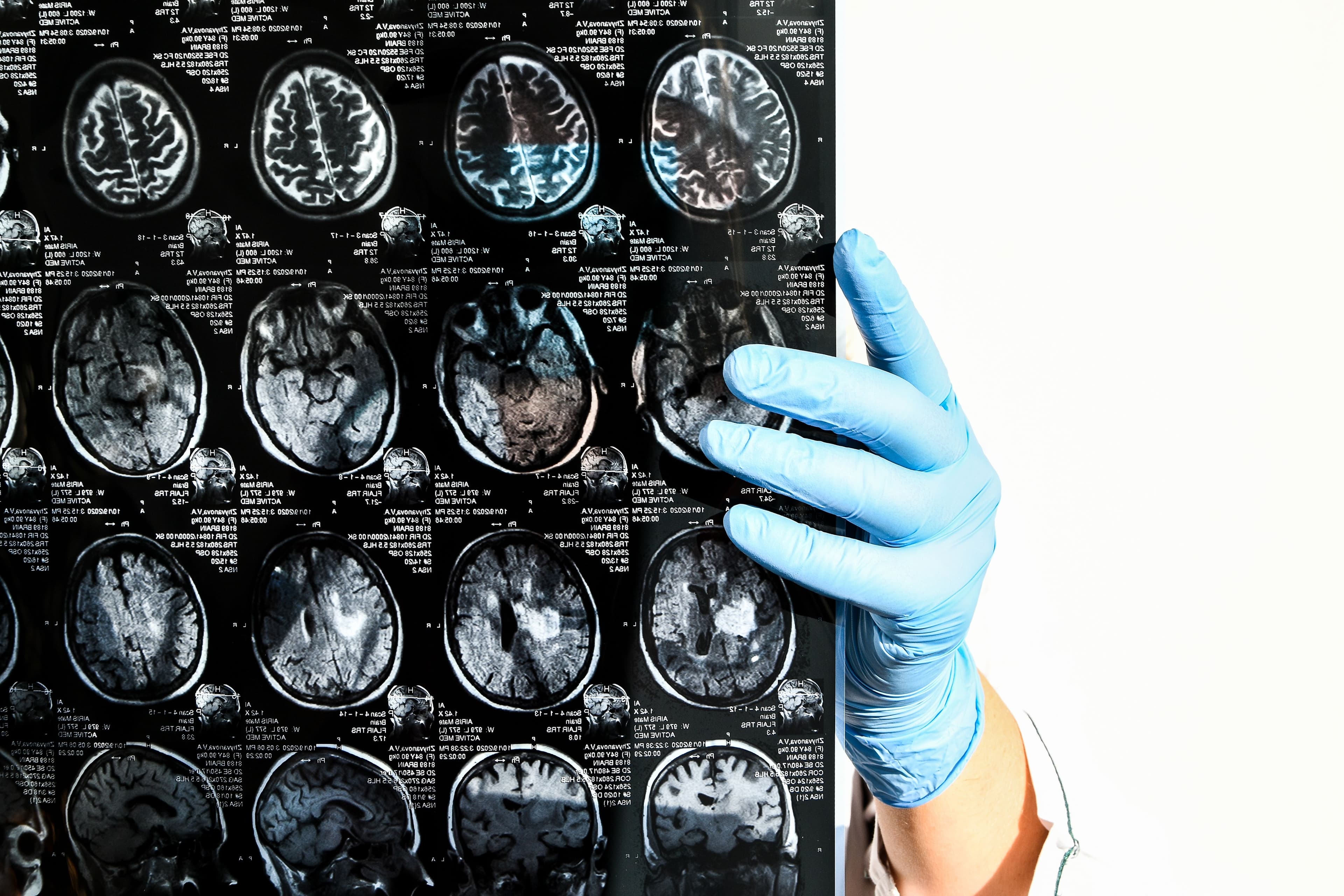
There may be no cuts, bruises, or external signs of trauma. Medical imaging such as CT scans may initially appear normal.
Yet the injured person may experience very real symptoms such as:
Because these symptoms can appear gradually, many victims are told they are “fine” — even when their lives have been significantly disrupted.
Insurance companies often rely on the misconception that a brain injury requires a direct blow to the head.
When there is no visible trauma, they may argue:
These arguments ignore decades of medical research showing that acceleration forces alone can cause traumatic brain injuries.
For injury victims, this misunderstanding can make proving a brain injury case far more difficult.
If you experience symptoms after an accident — even if you did not hit your head — you should seek medical evaluation as soon as possible.
Specialists such as neurologists and neuropsychologists can perform tests that measure:
These evaluations can reveal injuries that traditional scans may not detect.
Early documentation also helps establish a clear connection between the accident and the symptoms that follow.

Traumatic brain injuries often have long-term consequences that extend far beyond the initial incident.
Victims may experience:
When a brain injury is misunderstood or dismissed, victims may be pressured into accepting settlements that fail to account for the true cost of the injury.
Understanding how these injuries occur is the first step toward ensuring that the full story is heard.
A traumatic brain injury does not require a visible blow to the head. The forces involved in many accidents can cause serious neurological damage even when there is no external sign of trauma.
Attorney Joseph H. Low IV has spent decades representing individuals whose injuries were initially overlooked, minimized, or misunderstood — particularly those suffering from traumatic brain injuries. These cases require careful investigation, medical expertise, and the ability to communicate the human story of the injury to a jury.
If you or someone you love is experiencing symptoms after an accident, even without a direct head injury, it is important to understand your rights and the options available to you.
You don’t have to face that uncertainty alone.
Visit www.attorney4people.com to learn more, or call (888) 454-5569 for a FREE consultation with our team.





The vast impact made by Attorney Low on the law and the lives of his clients has gained the attention of magazines, radio stations, and media outlets alike.

Work Injury
A traumatic brain injury can be one of the most difficult injuries to diagnose, understand, and prove. This article explores why experience with brain injury cases matters, how TBIs are often missed or underestimated, and why having a lawyer who understands the complexities of the brain can make a significant difference in the outcome of your case.

Personal Injury
Traumatic brain injuries often affect far more than memory or headaches. Physical, emotional, cognitive, and sensory symptoms can quietly alter the way a person thinks, feels, reacts, and experiences everyday life. Many of these symptoms are invisible, misunderstood, or dismissed entirely, making proper evaluation and documentation critical in understanding the true impact of a brain injury.

Personal Injury
Most cases don’t differ in value because of the injury—they differ because of how well the story is uncovered, built, and presented. The right details, credible experts, and strong jury connection can turn an ordinary case into an extraordinary outcome.
Personal Injury
Many people assume a traumatic brain injury only occurs when someone suffers a direct blow to the head. In reality, serious brain injuries can happen without any head impact at all. Sudden acceleration and deceleration — such as in car accidents or falls — can cause the brain to move violently inside the skull, disrupting normal brain function. This article explains how these “invisible injuries” occur, the symptoms to watch for, and why understanding them is critical for protecting both your health and your legal rights after an accident.