
Not all traumatic brain injuries are immediately visible.
In fact, many people walk away from accidents believing they are “fine” — only to realize days or even weeks later that something feels different. A traumatic brain injury (TBI) can affect the way a person thinks, feels, reacts, and experiences the world around them, often in ways that are difficult to explain to others.
That’s part of what makes brain injuries so dangerous: many symptoms are invisible.

One of the most common things TBI victims describe is a general feeling that something isn’t right. They may struggle to find words, feel mentally foggy, lose focus easily, or experience sudden exhaustion from tasks that once felt simple.
Some people describe it as:
These changes can happen even in cases where there was no loss of consciousness or obvious external injury.
Every brain injury is different, but common physical symptoms may include:
For some people, these symptoms improve over time. For others, they can become long-term challenges that affect work, relationships, and everyday life.
One of the most overlooked parts of a traumatic brain injury is how it affects the senses.
Many people experience:
Loss of smell, in particular, is surprisingly common after certain brain injuries — especially when there is trauma or fracturing around the face or head. What may sound like a minor symptom can dramatically affect appetite, memory, emotional connection, safety, and overall quality of life.
These are often the details that reveal how serious the injury truly is.
Traumatic brain injuries can also affect emotions and personality in ways that are deeply frustrating for both victims and their families.
A person may suddenly become:
Family members are often the first to notice these changes. In many cases, loved ones describe the person as feeling “different” long before a formal diagnosis is made.
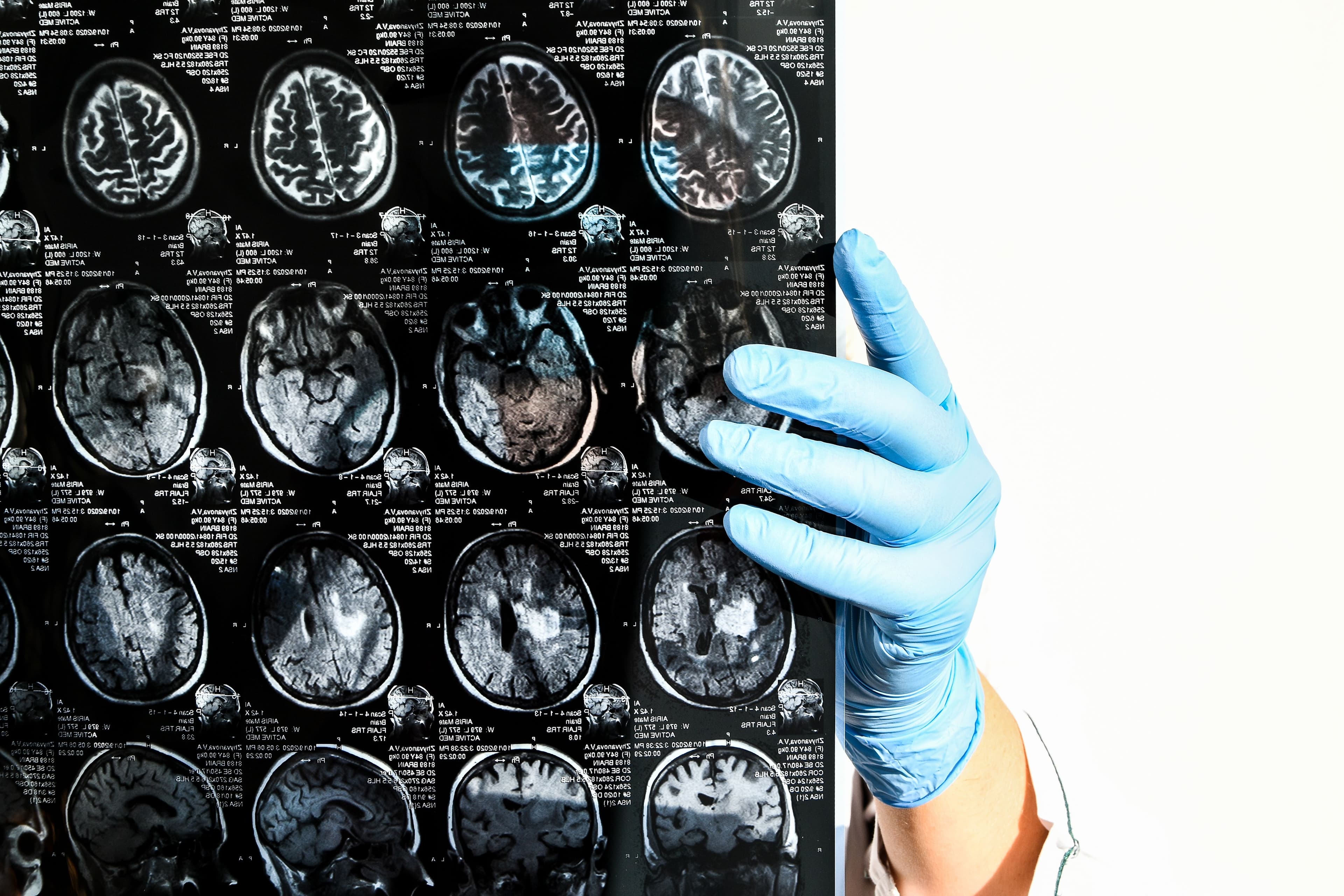
One of the biggest misconceptions surrounding TBIs is that serious brain injuries always appear on standard scans or produce dramatic symptoms immediately after an accident.
That simply isn’t true.
Many traumatic brain injuries require specialized evaluation from credible medical professionals who understand how to properly diagnose cognitive, emotional, sensory, and neurological impairments. Without proper testing, symptoms are often minimized, misunderstood, or ignored entirely.
When a traumatic brain injury is overlooked, the consequences can affect every aspect of a person’s life — physically, emotionally, professionally, and financially.
That’s why it’s critical to document symptoms early, seek proper medical evaluation, and pay attention to the subtle ways the injury may be affecting everyday life.
Because the reality of a brain injury is not always found in what can immediately be seen. Often, it’s found in the quiet changes that slowly begin affecting how someone experiences the world around them.

If you or someone you love may be experiencing symptoms of a traumatic brain injury after an accident, it’s important to take those symptoms seriously and seek proper guidance.
Visit attorney4people.com or call 888-454-5569 today for a FREE consultation.





The vast impact made by Attorney Low on the law and the lives of his clients has gained the attention of magazines, radio stations, and media outlets alike.

Work Injury
A traumatic brain injury can be one of the most difficult injuries to diagnose, understand, and prove. This article explores why experience with brain injury cases matters, how TBIs are often missed or underestimated, and why having a lawyer who understands the complexities of the brain can make a significant difference in the outcome of your case.
Personal Injury
Traumatic brain injuries often affect far more than memory or headaches. Physical, emotional, cognitive, and sensory symptoms can quietly alter the way a person thinks, feels, reacts, and experiences everyday life. Many of these symptoms are invisible, misunderstood, or dismissed entirely, making proper evaluation and documentation critical in understanding the true impact of a brain injury.

Personal Injury
Most cases don’t differ in value because of the injury—they differ because of how well the story is uncovered, built, and presented. The right details, credible experts, and strong jury connection can turn an ordinary case into an extraordinary outcome.

Personal Injury
Many people assume a traumatic brain injury only occurs when someone suffers a direct blow to the head. In reality, serious brain injuries can happen without any head impact at all. Sudden acceleration and deceleration — such as in car accidents or falls — can cause the brain to move violently inside the skull, disrupting normal brain function. This article explains how these “invisible injuries” occur, the symptoms to watch for, and why understanding them is critical for protecting both your health and your legal rights after an accident.